Car insurance is a crucial aspect of vehicle ownership, offering protection against unforeseen circumstances and financial loss. With the various types of policies available, understanding car insurance can seem daunting, yet it is essential for safeguarding your assets and ensuring peace of mind on the road.
This overview will navigate you through the different types of car insurance, key factors impacting premiums, the claims process, and potential discounts that can save you money. By the end, you’ll be equipped with the knowledge to make informed decisions about your coverage options.
Types of Car Insurance

Car insurance is essential for vehicle owners, providing financial protection against potential losses due to accidents, theft, and other unforeseen events. With various types of car insurance policies available, it is crucial to understand the coverage options and the benefits and drawbacks associated with each type. This knowledge allows consumers to make informed decisions that best suit their individual needs.
Liability Insurance
Liability insurance is often a legal requirement for vehicle owners. It covers bodily injury and property damage to others if the insured driver is at fault in an accident.
- Coverage Options: This type of insurance typically includes two main components: bodily injury liability and property damage liability. Bodily injury liability covers medical expenses and lost wages of the affected party, while property damage liability pays for repairs to the other party’s vehicle or property.
- Benefits: Liability insurance is cost-effective and provides essential protection against legal claims resulting from accidents. It safeguards your financial assets from being depleted due to lawsuits.
- Drawbacks: This policy does not cover the insured driver’s medical expenses or damages to their own vehicle, which could lead to significant out-of-pocket costs in the event of an accident.
Collision Insurance
Collision insurance covers damage to the insured’s vehicle resulting from a collision with another vehicle or object, regardless of fault.
- Coverage Options: Collision insurance typically pays for repairs to the insured vehicle or its total loss value if it is deemed a total loss.
- Benefits: This type of insurance provides peace of mind, as the insured can have their vehicle repaired or replaced without worrying about major financial burdens after an accident.
- Drawbacks: Collision insurance can be expensive, and it may not be cost-effective for older vehicles that have depreciated significantly.
Comprehensive Insurance
Comprehensive insurance covers a wide range of risks not related to collision, such as theft, vandalism, natural disasters, and falling objects.
- Coverage Options: This policy typically covers damage from incidents like flooding, fire, theft, and animal collisions, offering broader protection for vehicle owners.
- Benefits: Comprehensive insurance provides extensive coverage, protecting the insured against various hazards, ensuring peace of mind while driving or parked.
- Drawbacks: This type of insurance usually comes with a higher premium, which may not be justifiable for drivers of low-value vehicles.
Personal Injury Protection (PIP)
Personal Injury Protection (PIP) insurance covers medical expenses and, in some cases, lost wages for the insured driver and passengers regardless of fault.
- Coverage Options: PIP can cover medical bills, rehabilitation costs, and funeral expenses, along with a portion of lost wages due to injuries sustained in a covered accident.
- Benefits: PIP ensures that medical expenses are covered quickly, alleviating the financial burden during recovery and providing timely support for medical needs.
- Drawbacks: The extensiveness of coverage can lead to higher premiums, and not all states require PIP, making it less relevant for some drivers.
Uninsured/Underinsured Motorist Coverage
This type of insurance provides protection when the insured is involved in an accident with a driver who has insufficient or no insurance coverage.
- Coverage Options: Uninsured/Underinsured Motorist coverage typically includes both bodily injury and property damage components, ensuring that the insured is compensated when the at-fault party lacks adequate insurance.
- Benefits: This coverage protects the insured from potential financial losses and legal complications when dealing with uninsured drivers, providing a safety net.
- Drawbacks: Depending on the state, this type of insurance may not be mandatory, leading to gaps in coverage if not opted for voluntarily.
Factors Affecting Car Insurance Premiums
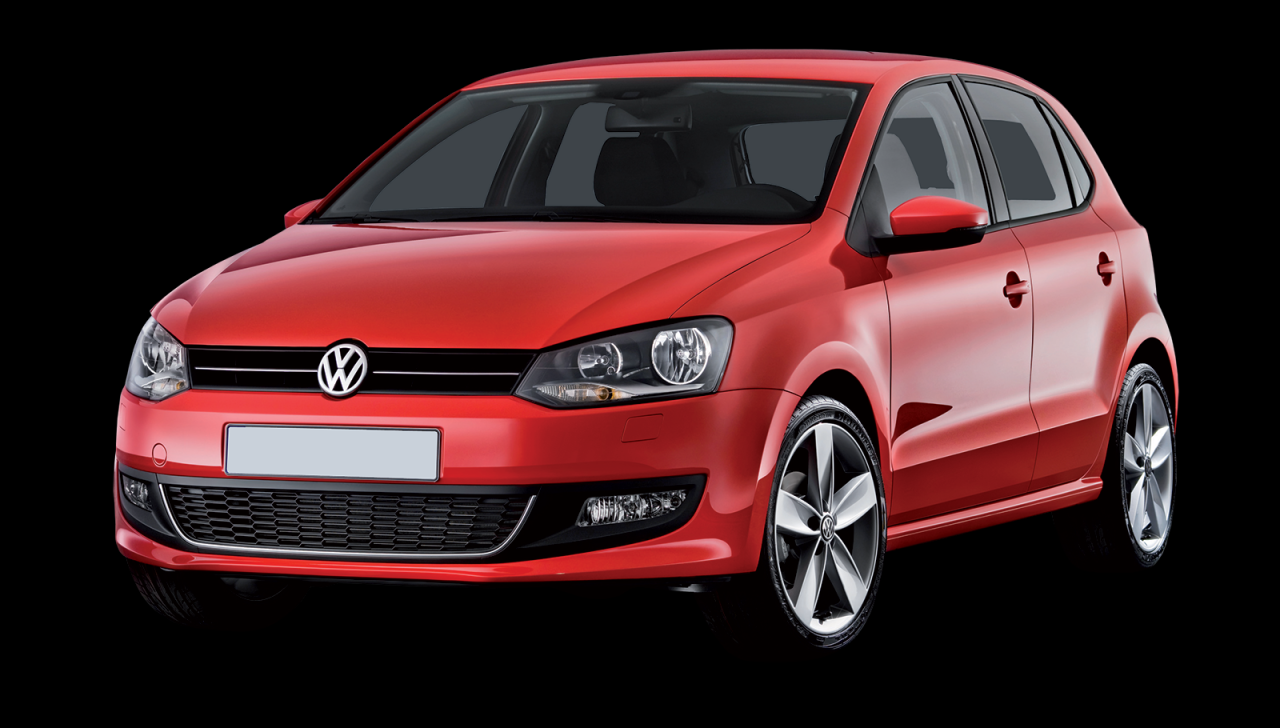
Car insurance premiums are influenced by a multitude of factors, each contributing to the overall assessment of risk by insurance providers. Understanding these factors can help policyholders make informed decisions, ensuring they receive the best possible coverage at a competitive rate.
Age, driving history, vehicle type, location, and credit score are among the primary elements affecting car insurance costs. Insurers evaluate these factors to determine how likely a policyholder is to file a claim and, consequently, the likelihood of a financial loss for the insurer.
Age and Driving History
Younger drivers, particularly those under 25, often face higher premiums due to their limited driving experience and increased likelihood of accidents. Conversely, older, more experienced drivers typically enjoy lower rates.
Driving history plays a critical role in determining insurance premiums. A clean record with no accidents or traffic violations can significantly lower rates, whereas a history of claims or infractions can lead to increased costs. Key points in this section include:
- Age: Younger drivers are statistically more prone to accidents.
- Claims History: Frequent claims can label a driver as high-risk.
- Traffic Violations: Points accrued for speeding or reckless driving increase premiums.
Vehicle Type
The type of vehicle insured is another significant factor influencing premiums. Certain vehicles are more expensive to insure due to their repair costs, safety ratings, and theft rates. High-performance cars, luxury models, and vehicles with a history of theft or extensive repair costs usually lead to higher insurance rates.
Factors considered in the vehicle type include:
- Make and Model: Luxury and sports cars incur higher premiums.
- Safety Features: Vehicles equipped with advanced safety features may attract discounts.
- Repair Costs: Cars with expensive parts or complex technology can lead to increased rates.
Location
The geographical location of the driver plays a significant role in determining insurance premiums. Urban areas with higher traffic density and crime rates typically see elevated insurance costs compared to rural areas. Furthermore, regional weather patterns can also affect premiums.
Factors related to location encompass:
- Population Density: Areas with more cars often experience more accidents.
- Theft Rates: Regions with higher automobile theft rates lead to higher premiums.
- Weather Conditions: Areas prone to severe weather may see increased rates due to potential damage.
Credit Score
A driver’s credit score is increasingly being used as a criterion for determining car insurance premiums. Insurers often view a good credit score as an indicator of a responsible individual, which correlates with lower risk.
Factors concerning credit score include:
- Credit History: A higher credit score generally results in lower premiums.
- Payment History: Timely payments reflect financial responsibility, positively impacting rates.
- Debt Levels: A high level of debt may suggest financial instability, leading to increased premiums.
“Understanding how various factors influence premiums can empower you to make informed insurance choices.”
Car Insurance Claims Process
Filing a car insurance claim can often feel overwhelming, yet understanding the claims process can simplify the experience significantly. Knowing the necessary steps, required documentation, and effective strategies can help policyholders navigate claims efficiently and successfully.
The claims process typically involves several key steps that ensure your claim is filed correctly and processed in a timely manner. Understanding these steps can alleviate confusion and streamline your interaction with your insurance provider.
Steps Involved in Filing a Car Insurance Claim
To initiate a claim, one must be aware of the following crucial steps:
1. Report the Accident: Immediately after an accident, contact the police and file a report. This document will be vital during the claims process.
2. Notify Your Insurance Company: Inform your insurer about the incident as soon as possible. Most companies have a time limit for reporting claims.
3. Gather Evidence: Collect all relevant information, including photographs of the accident scene, contact details of involved parties, and witness statements.
4. Complete the Claim Form: Fill out the claim form provided by your insurer thoroughly and accurately. Make sure to include all necessary details about the accident.
5. Submit Documentation: Provide all required documentation to your insurance company, such as the police report, evidence gathered, and your completed claim form.
6. Follow Up: Keep in touch with your insurance adjuster to track the claim’s progress and provide any additional information if required.
Documentation Required for a Successful Claim
Having the right documentation is essential for a successful claim. Below is a list of documents that may be necessary:
– Policy Information: Your car insurance policy number and coverage details.
– Accident Report: The police report detailing the circumstances of the accident.
– Photos: Visual evidence of the accident scene, vehicle damage, and any injuries.
– Witness Statements: Contact information for any witnesses along with their written accounts of the incident.
– Repair Estimates: Quotes or invoices from repair shops for the damages incurred.
– Medical Records: If applicable, documentation of any injuries sustained during the accident.
Each piece of documentation plays a pivotal role in substantiating your claim and assisting the insurer in determining liability and coverage.
Tips for Navigating the Claims Process Effectively
Navigating the claims process can be daunting, but certain strategies can help ensure a smoother experience:
– Stay Organized: Maintain a file that includes all relevant documents, communications, and timelines related to your claim.
– Be Honest: Provide truthful and accurate information to your insurer to avoid complications or potential denial of your claim.
– Communicate Clearly: Keep open lines of communication with your insurance adjuster and respond promptly to any requests for additional information.
– Know Your Rights: Familiarize yourself with your policy details so that you can advocate for your rights as a policyholder.
– Follow Up Regularly: Regularly check in with your insurer to monitor the progress of your claim and address any delays or issues promptly.
Following these steps and tips can significantly enhance your chances of a successful claims experience, ensuring that you receive the compensation you deserve without unnecessary complications or delays.
Car Insurance Discounts and Savings
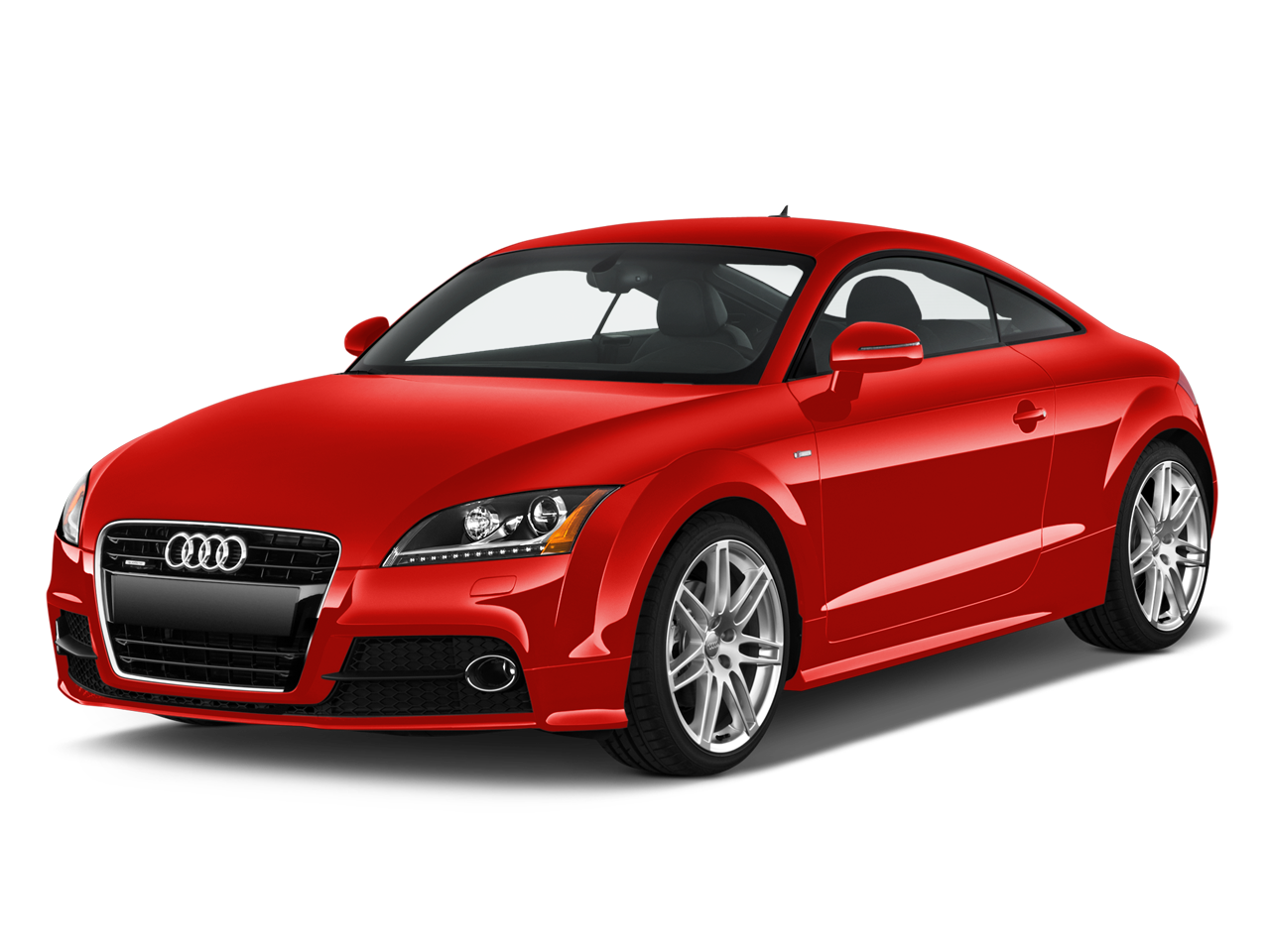
Car insurance premiums can vary significantly based on multiple factors, but savvy policyholders can take advantage of various discounts to reduce their overall costs. Recognizing and utilizing these discounts not only helps save money but also encourages responsible driving and policy bundling.
Many insurance providers offer a range of discounts that can lead to substantial savings on car insurance premiums. Understanding these available options allows drivers to maximize their savings potential. Below are some common discounts that can significantly reduce car insurance costs:
Types of Car Insurance Discounts
Discounts are often categorized based on different eligibility criteria and behaviors. Here are several common discount types:
- Safe Driver Discount: Drivers with a clean driving record, free from accidents and violations, may qualify for this discount, which can result in significant savings.
- Multi-Policy Discount: Bundling various insurance policies, such as home and auto insurance, often provides substantial discounts on both policies. For instance, a household insuring both their home and car with the same provider could save between 10% to 25% on their premiums.
- Good Student Discount: Young drivers who maintain a high GPA in school may be eligible for discounts, as insurers recognize the correlation between academic performance and responsible driving.
- Low Mileage Discount: Drivers who use their vehicles infrequently or primarily for commuting may qualify for lower premiums due to the reduced risk of accidents.
- Defensive Driving Course Discount: Completing a certified defensive driving course can not only improve driving skills but also lead to premium reductions, as insurers view participants as lower-risk drivers.
Bundling Policies for Savings
Bundling multiple insurance policies can lead to significant savings and provide added convenience. Insurance companies typically reward customers who choose to combine different types of coverage under one policy umbrella. This practice not only simplifies management but also results in lower premiums.
For example, a customer who bundles their auto insurance with their homeowners insurance could see an overall reduction in premium costs by 15% to 25%. This not only alleviates the financial burden but also fosters loyalty between the customer and the insurance provider.
Safe Driving Programs, Car insurance
Safe driving programs are another avenue through which drivers can lower their insurance premiums. Many insurers offer incentives for drivers who maintain safe driving habits, monitored through telematics or mobile apps.
These programs typically assess driving behaviors such as speeding, hard braking, and acceleration. By participating, drivers can earn discounts based on their driving habits. For instance, a driver who consistently demonstrates safe driving may receive a 10% to 30% discount on their premium at renewal time.
In addition to immediate savings, these programs encourage safer driving practices, ultimately contributing to fewer accidents and lower overall insurance costs for everyone.
FAQ Section
What is the minimum car insurance requirement?
Most states require at least liability insurance, which covers damages to others if you are at fault in an accident.
How can I lower my car insurance premium?
Consider increasing your deductible, maintaining a clean driving record, and taking advantage of available discounts.
Can I change my car insurance provider anytime?
Yes, you can switch providers at any time, but check your current policy for cancellation terms.
What should I do if my claim is denied?
You can appeal the decision by providing additional evidence or documentation supporting your claim.
How often should I review my car insurance policy?
It’s advisable to review your policy annually or whenever you experience a significant life change, like moving or buying a new car.
When looking for the right coverage for your belongings, home insurance plays a crucial role in safeguarding your property against unforeseen events. It’s essential to explore various options and understand the policies available to ensure your home is adequately protected, allowing you to enjoy peace of mind.
If you’re considering ways to protect your family and assets, exploring seguros state farm can provide you with valuable insights. This insurance option offers a variety of plans tailored to meet different needs, ensuring that you have the right coverage for any situation that may arise.